
Certificate in Fashion Design & Garment Construction
Learn fashion design and garment construction with Orane International’s 6-month live online course. Learn fashion illustration, pattern making, garment construction, Indian wear, kidswear, textiles, Adobe Illustrator, portfolio development, costing and boutique business skills while creating eight garments from your own designs
Enrol nowTaught live by working professionals · Orane International has trained over 100,000 students
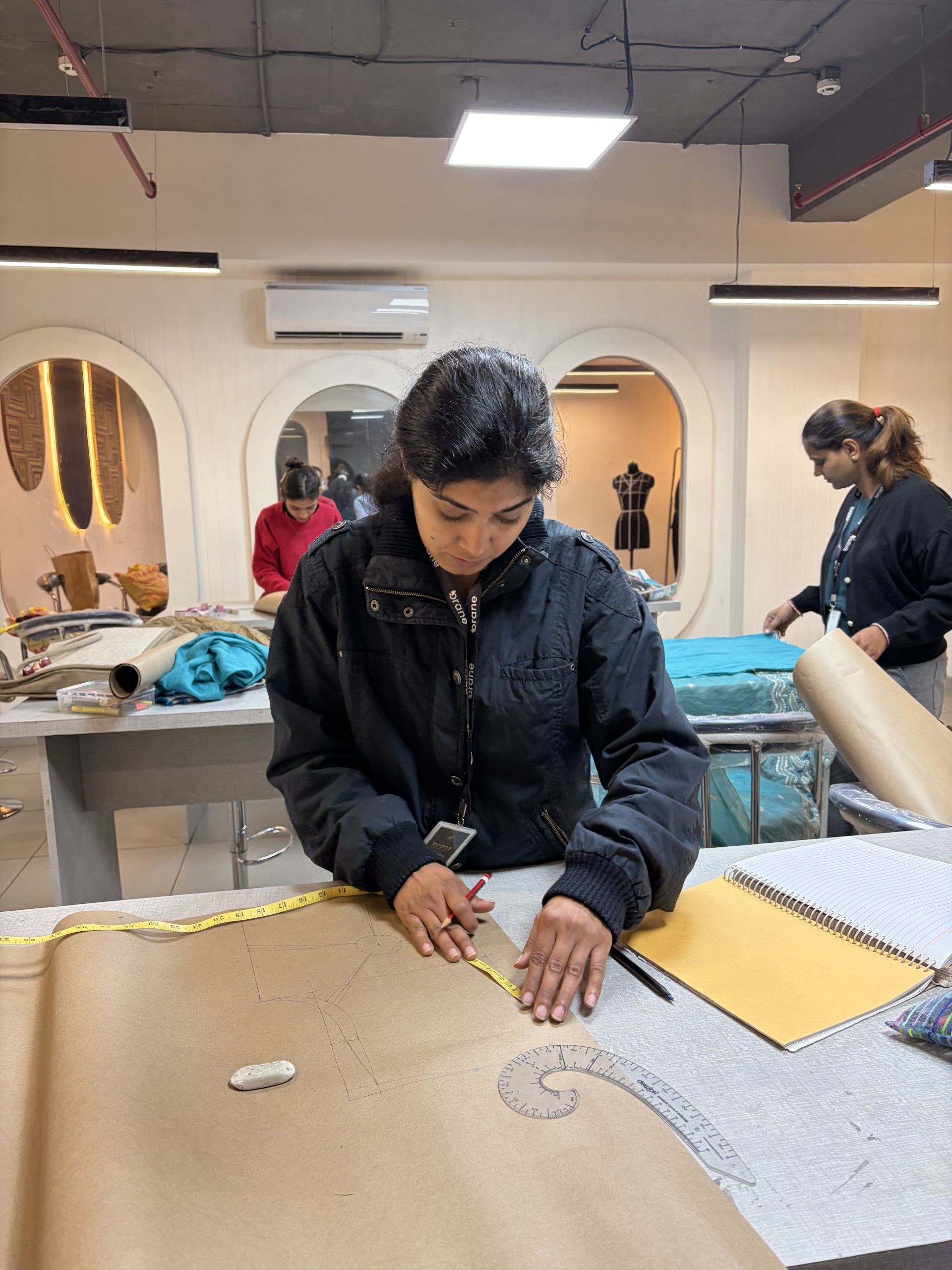
234 hours of live teaching. No pre-recorded library — every session is taught to you, live.
Most fashion courses end with a certificate. This one ends with garments.
Six months of classes is easy to sit through and hard to show anyone. So this course is built backwards from a single test: at the end of it, can you take a customer’s measurement, draft the pattern, cut the fabric, stitch the garment, and quote a price you can defend?
That is why Week 4 is a sewing machine — not Week 16. You will thread, run and troubleshoot your own machine inside the first month, and finish a simple made item before you have drafted a single pattern. Everything after that is you building on something you already know how to do.
Good — the course assumes it. Week 4 is machine set-up, straight stitching, seams, finishing and hemming, from zero. Every technique after that is demonstrated start to finish, with the reasoning spoken aloud, before you are asked to try it.
Pattern making and construction are half the course — 13 of 26 weeks. Straight, A-line and panelled kurti drafting, salwar and pant, dart manipulation, princess cut, yoke, flare, panelled garments, kidswear, and basic size grading. Then costing your own garments by fabric and labour, and pricing them. Most boutique owners are buying patterns or guessing prices. This is where that stops.
Be honest with yourself about this one. It is three live sessions a week, three hours each. Nine hours, every week, for 26 weeks, plus home practice on your own machine. Sessions run BATCH_SLOT and are recorded so you can make up a missed class. If nine hours a week is not there, this is the wrong course — and a counsellor will tell you so.
Ten things you couldn’t do six months ago
Every one is assessed on work you upload — a pattern, a garment, a costing sheet. Not a written test.
Measure a real client
Take body measurements and record them on a chart correctly — ease, seam allowance, grainline and all.
Draft the four blocks
Bodice, sleeve, skirt and trouser blocks, drafted from those measurements.
Turn a block into a style
Neckline and sleeve variations, dart manipulation, princess cut, yoke, flare, panelled garments.
Draft Indian wear
Straight kurti, A-line kurti, panelled kurti, salwar and pant, with dupatta considerations.
Draft kidswear
Kidswear block, frock, and variations — a steady seller in most boutiques.
Grade across sizes
Take one pattern and size it up and down using basic grading.
Run and fix your machine
Set up, thread, operate and maintain a domestic machine — and fix the four things that usually go wrong.
Construct a full garment
Darts, gathers, pleats, pockets, waistbands, facings, neck finishing, sleeves, cuffs, plackets, zips, elastic — from your own pattern.
Present it digitally
Technical flats, colour boards and a garment presentation built in Adobe Illustrator.
Cost it, price it, book it
Fabric and labour costing, pricing and order management — on one Order Card that runs your whole boutique.
You’ll make eight garments. Here they are.
And they are not eight separate exercises. Three of them are your own Mini Fashion Collection — the theme you lock in Week 6 and build toward for the next twenty weeks. Nothing you make is thrown away.
Six months, week by week
Seven modules across 26 weeks. Tap a block to read what happens in it.
Eight formal assessments across the six months — each one a garment or a pattern you upload and get corrected on. Everything in between gets weekly feedback.
Built for people who sell, or will
Boutique owners
You buy your patterns or guess your prices. This is where both stop.
Boutique staff
You can stitch to instruction, but not yet draft, customise or cost.
Home-based designers
Running orders off WhatsApp and Instagram, and ready to take bigger ones.
Complete beginners
You want a skill you can charge for inside a year. No prior experience assumed.
Starting a fashion business
The course ends on costing, pricing and order management — not on theory.
Want a degree pathway instead?
The Diploma in Fashion Design is the better fit — 12 months, NSQF Level 4, with a lateral-entry route into a B.Des.
What you’ll need
No prior qualification. No age limit. Beginners welcome. But three things are non-negotiable — a machine, a phone, and nine hours a week.
- A sewing machine — mandatory. A domestic machine is enough. You use it from Week 4 to Week 26.
- A smartphone that shoots clear photos and short video. Every practical assignment is uploaded to the portal.
- Table space to lay out a full-size pattern.
- A laptop that can run Adobe Illustrator — needed for Weeks 23–24 only.
- Fabric, paper and basic tools, bought locally. Indicative kit cost: ₹KIT_COST. The course ships nothing.
- Nine hours a week of live class, plus home practice.
The certificate — and the thing that matters more
You finish with the Certificate in Fashion Design & Garment Construction, issued by Orane International, on completion of all eight assessments and your final collection.
But the portfolio is what gets you work. A digital portfolio of 15–20 pages: your theme, mood board, colour board, fabric board, five to six designs, illustrations, technical flats, and photographs of three garments you actually made. That is what you send a client on WhatsApp. The certificate is what you frame.
- Certificate in Fashion Design & Garment Construction, issued by Orane International
- A 15–20 page digital portfolio of your own collection
- Three finished garments, photographed and presentable to a client
This is to certify the successful completion of the
Certificate in Fashion Design & Garment Construction
Issued by Orane International
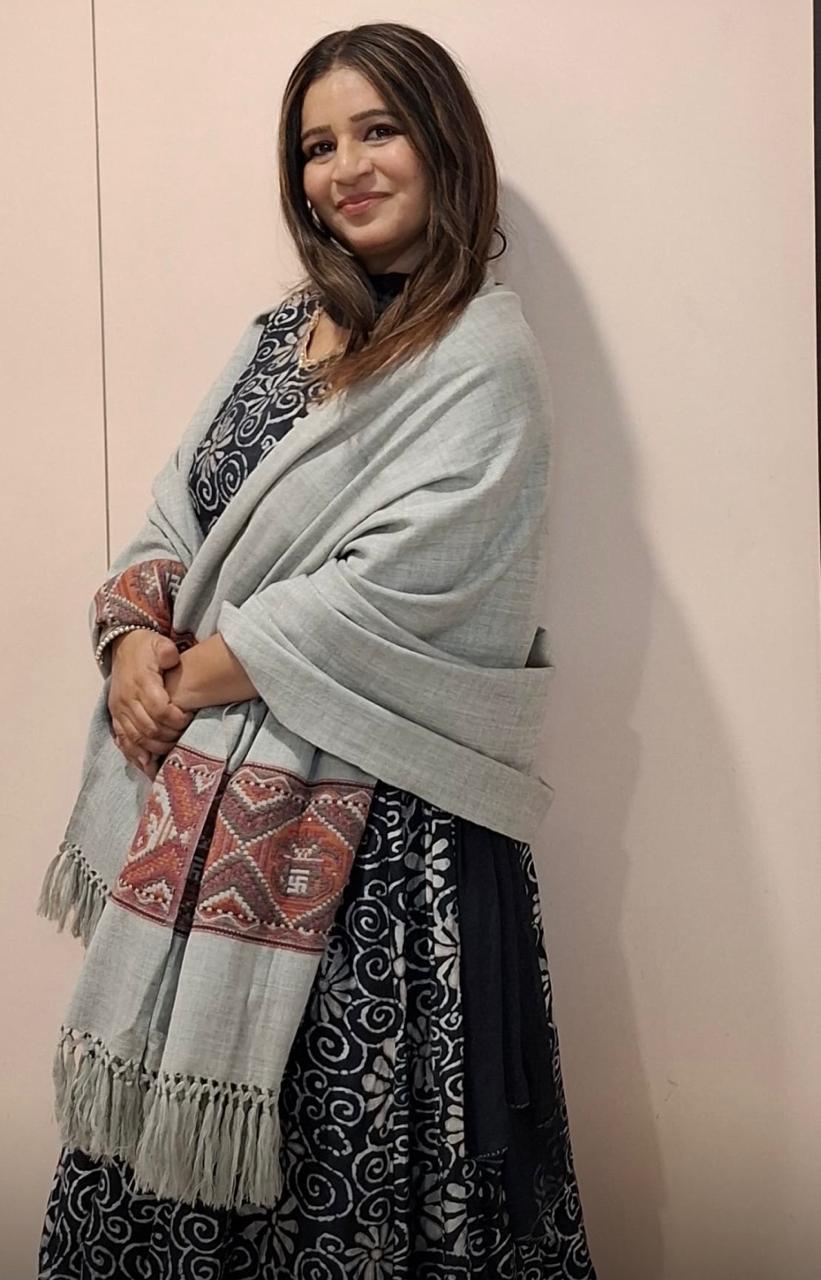
Taught live by Daljit Kaur Sood
Daljit has spent two decades teaching the exact two things this course is built on — pattern making and garment construction — alongside textile fundamentals. She teaches practically, not theoretically: she is the person who will tear down your weekly uploads, name the fault, and show you the correction.
Every one of the 78 sessions is taught live, by her. Nothing on this course is a recording of someone who left three years ago.
Questions people actually ask
Yes. It is mandatory from Week 4 onward. A basic domestic machine is enough — you do not need an industrial one.
No. Week 4 starts at “this is the machine”. Nothing in the course assumes prior experience.
Sessions are recorded so you can make up an absence. But there is no pre-recorded course library — the teaching is live, and 70% attendance is required. Recordings cover a missed class; they are not a self-paced route through the course.
Nine hours live — three sessions of three hours, BATCH_SLOT — plus home practice on your weekly assignment. Be realistic about this before you enrol.
No. You buy fabric, paper and tools locally. We publish the full list and an indicative cost before you pay anything.
That is the design goal. Week 26 covers client consultation, customisation, fabric and labour costing, pricing and order management — costed on the three garments you made yourself, not on a case study.
No. The Diploma is 12 months at ₹60,000, NSQF Level 4, with a B.Des lateral-entry pathway and modules in AI design tools, Shopify and CRM. This Certificate is 6 months of hands-on garment making and boutique practice.
Yes — EMI is available. A counsellor will walk you through the options.
Six months from now, you’ll have eight garments and a price list.
Batches are taught live and in real time, so seats are limited by class size — not by a countdown.
Enrol now — ₹39,000 · EMI availableNot sure it’s the right fit? Ask for a callback and a counsellor will talk you through the schedule and the kit before you pay anything.


